

THE HISTORY OF THE WORLD IN BLOOD
The history of the world is one of constant war, blood, and death. It is not a new or sudden phenomenon. As human beings, when it comes to war and death, we do not learn from history.
However, there is a problem with history. It is easy to assume that history is an uncompromising beast.
The truth is that history is tamed, distorted, and ignored by historians, politicians, and those who choose to remain foolish. Humans write history with prejudices and preferences that often take precedence over the truth.
We build our vision of humanity with unequal portions of what we were and what we hope to become. What we were must be appreciated; however, it must also be understood truthfully. What we hope to become is, unfortunately, sometimes based on greed or ideology.
If humanity is to end, it will end by its own hand. Forget about giant space rocks or visitors from Mars; worry about your fellow humans. There were no fewer than 40 active wars across the globe in 2024.
WORLD WAR 2 BLOOD AND DEATH AND FAILED MEMORY
Since the unfathomable carnage of the Second World War, an average of about 100,000 people have died each year as a result of war or civil unrest. This number does not include deaths resulting from the associated plagues, famines, and diseases brought about by war.
Expect these numbers to increase dramatically through 2025 and 2026.
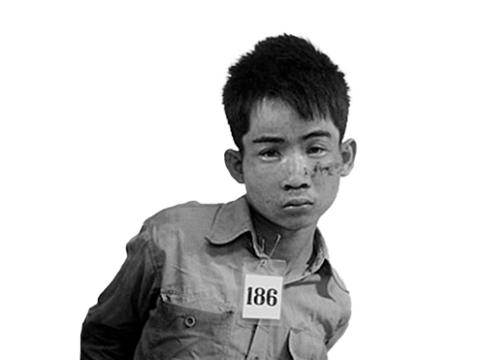
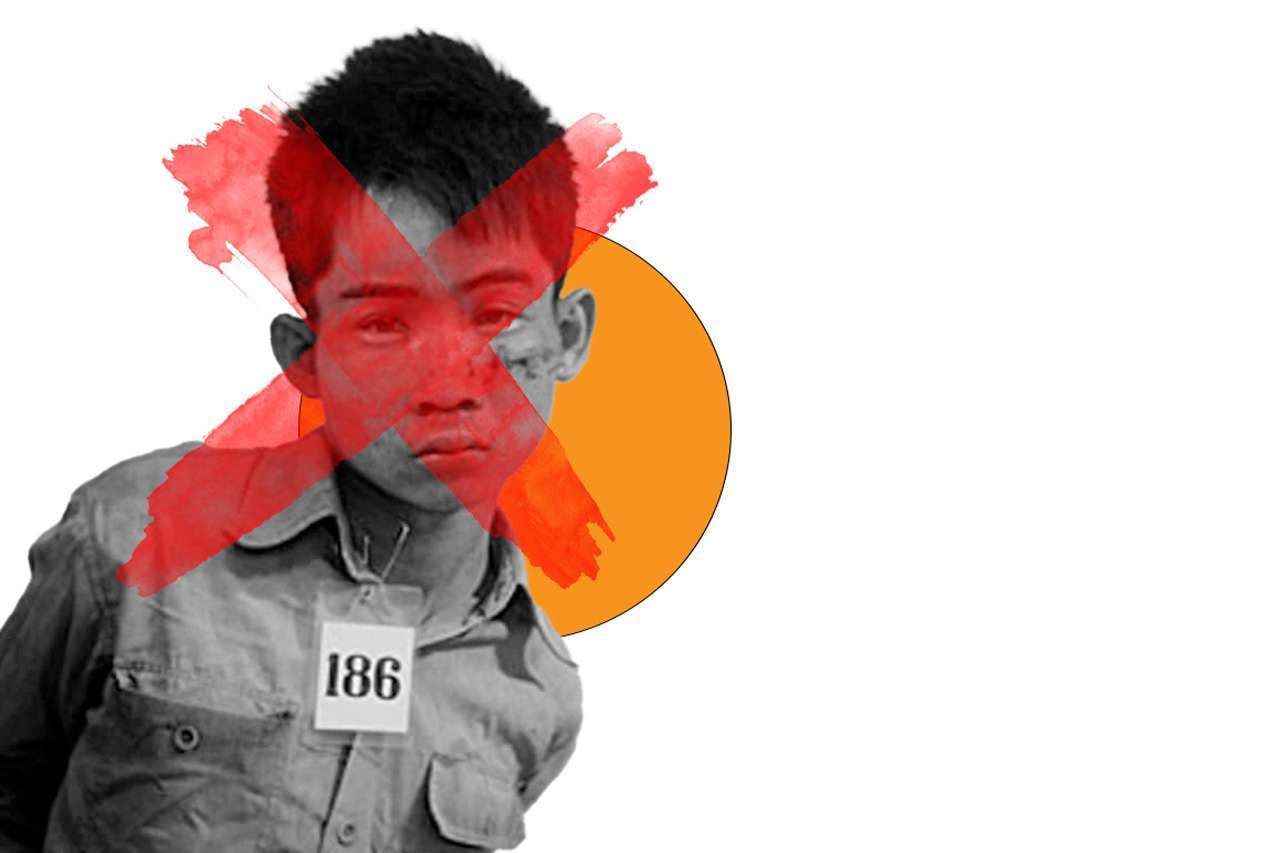 This is the image of a young man. He is number 186, and he is dead. He died in Cambodia. The circumstances of his death are unknown; however, he is dead. Number 186 died at the hands of another member of humanity who, in a fit of rage fueled by ideology, smashed his head, shot him, hanged him, or buried him alive. Pick one. It doesn’t matter. Number 186 is dead. He doesn’t care anymore.
We mourn his death when we should mourn the deaths of those not yet born.
When humanity fails, people die. Sometimes death is sudden and brutal: a bomb, a bullet, or a slit throat. For those less fortunate, death comes with unspeakable agony, preceded by visions of lost dreams and lost loved ones. That suffering is also part of the human condition. It is an unspoken suffering. The body counters do not categorize or quantify this suffering; it is not the subject of their work. This suffering represents a death of a different kind.
Short of a cosmic event, destruction comes in bits and pieces, through neglect or cold calculation. It is a simple matter of hearing no cries, seeing no blood, and voicing no protest.
No matter how high we build the walls to isolate ourselves from the inhumanity that visits us, the cries persist, lives cease, and dreams and ambitions die.
In Ecclesiastes, the Teacher, the preacher, the wise man at the podium points out the folly of all the evil done under the sun and arrives at this conclusion: “But better than both is the one who has never been born, who has not seen the evil that is done under the sun.”
In the Second World War, more than 70 million people died, of whom approximately 50 million were civilians. There were lessons to be learned from that war. Given the current conflicts in Gaza and Ukraine, apparently, no one took notes.
What follows over the coming months are four disturbing examples of humanity’s inhumanity since the Second World War. Of course, we must not forget the excuses used to justify those moments of inhumanity. There are always excuses, and they speak the loudest about the human condition.
It was difficult to select which wars to cover. That reality is a sad commentary on the state of humanity.
Share This Page

